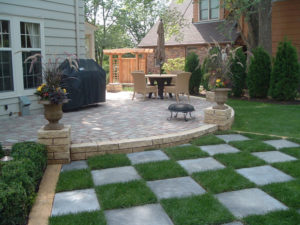
Our patterns are designed to enhance any concrete surface with a touch of elegance
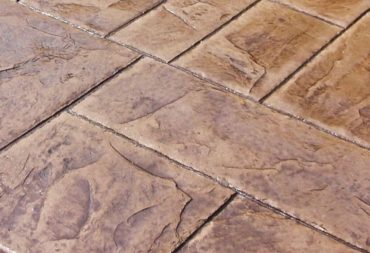
What are My Options? Stamped Concrete Patterns
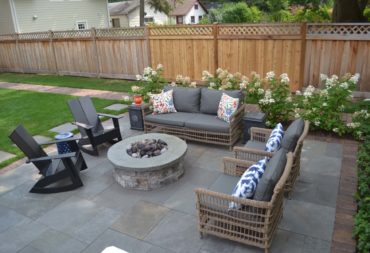
Stamped Concrete Patios: A Complete Guide for Homeowners
Looking to add a touch of luxury and elegance to your backyard? Stamped concrete patios are the perfect way
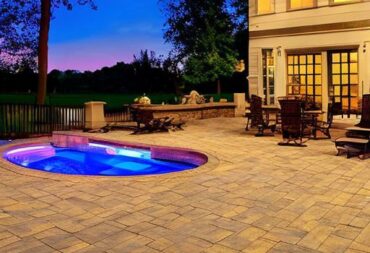
How Long Should Concrete Cure Before Putting A Hot Tub On It?
[tm_pb_section admin_label="section" transparent_background="on" allow_player_pause="off" inner_shadow="off" parallax="off" parallax_method="off" custom_padding="258px||108px|" custom_padding_tablet="100px||50px|" custom_padding_last_edited="on|phone" padding_mobile="off" make_fullwidth="off" use_custom_width="off" width_unit="on" make_equal="off" use_custom_gutter="off" background_image="https://www.northeastdecorativeconcrete.com/wp-content/uploads/2017/11/pool-deck.jpg"][tm_pb_row admin_label="row" make_fullwidth="off" use_custom_width="off" use_grid_padding="on" width_unit="on" padding_mobile="off" allow_player_pause="off" parallax="off" parallax_method="off" make_equal="off" parallax_1="off" parallax_method_1="off" vertical_alligment_1="start" responsive_laptop_1="inherit" responsive_tablet_1="inherit" responsive_phone_1="inherit" order_laptop_1="1" order_tablet_1="1" order_phone_1="1" column_padding_mobile="on"][tm_pb_column type="4_4"][tm_pb_text admin_label="Text" text_orientation="left" use_border_color="off" border_color="#ffffff" border_style="solid"]
 [/tm_pb_text][/tm_pb_column][/tm_pb_row][/tm_pb_section][tm_pb_section admin_label="Section" fullwidth="off" specialty="off" transparent_background="on" allow_player_pause="off" inner_shadow="off" parallax="off" parallax_method="off" padding_mobile="off" make_fullwidth="off" use_custom_width="off" width_unit="on" make_equal="off" use_custom_gutter="off" background_image="https://www.northeastdecorativeconcrete.com/wp-content/uploads/2018/01/background.jpg"][tm_pb_row admin_label="Row"][tm_pb_column type="4_4"][tm_pb_text admin_label="Text" text_orientation="left" use_border_color="off" border_color="#ffffff" border_style="solid" text_font_size="18" text_text_color="#000000" saved_tabs="all"]
We service all of New Hampshire (NH) , Massachusetts (MA) , and Maine (ME) with Decorative Concrete, Stamped Concrete, Epoxy Floor Coatings, and Garage Flooring. We have a large selection of colors and patterns! Give us a call for your next concrete project. We provide Free Estimates.
How Long Should Concrete Cure Before Putting A Hot Tub On It?
It is a common misconception that concrete is ready to use as soon as it is poured. In reality, concrete needs time to cure before it can support heavy loads such as a hot tub. How long this curing process takes depends on the weather and the mix of ingredients in the concrete. Generally, it is best to wait at least 28 days before putting a hot tub on cured concrete.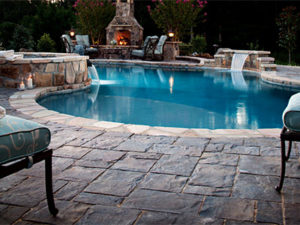
How to Cure Your Concrete in Time for a Hot Tub
Concrete is a popular material for decks and patios, but it can take a long time to cure properly. If you want to put a hot tub on your new concrete surface, you'll need to make sure it's fully cured before using the tub. Here are a few tips for curing your concrete in time for a hot tub. 1. Start by wetting the concrete surface with water. This will help the curing process and keep the surface from drying out too quickly. 2. Apply a curing agent to the concrete. There are many different types of curing agents available, so be sure to select one that is suited for your specific project. 3. Cover the concrete with a plastic sheet or tarp to keep it moist and allow it to cure properly. Don't Rush the Cure: Wait 28 Days Before Applying Hot Tub on Concrete Slab When you have a new hot tub, the last thing you want to do is damage the concrete slab it sits on. Unfortunately, many people make the mistake of rushing the cure and applying the hot tub too soon. If you wait 28 days, your slab will be fully cured and you won't have to worry about any potential damage.5 Facts About Concrete Hot Tub Curing
-
Concrete reaches about 50% of its strength in 3 to 7 days. It gains full strength (90 to 100%) by 28 days. This is the best waiting time for hot tub support.
-
A 4-inch reinforced concrete slab can hold up to 4,000 pounds per square foot. In contrast, unreinforced concrete supports only about 40 pounds per square foot. Making the slab 6 inches thick boosts its load capacity by nearly 50%.
-
Curing rates depend on environmental factors. Temperature, humidity, cement type, and air entrainment all affect curing. Higher temperatures speed it up, while high humidity slows it down.
-
Experts recommend 6-inch-thick concrete reinforced with steel rebar placed 1 foot apart. Use a concrete mix with at least 5,000 PSI. Also, use proper vapor barriers to prevent moisture problems.
-
Proper substrate preparation ensures long-term stability. Tighten the soil, add a layer of gravel, and set the reinforcement at the correct depth. The spa area must have a level surface. This ensures even weight distribution.
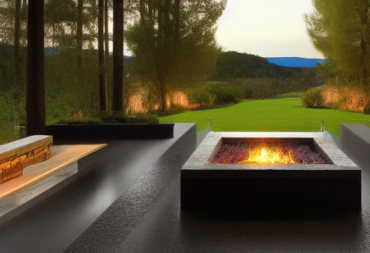
How Thick Should A Concrete Slab Be For A Hot Tub?
[tm_pb_section admin_label="section" transparent_background="on" allow_player_pause="off" inner_shadow="off" parallax="off" parallax_method="off" custom_padding="258px||108px|" custom_padding_tablet="100px||50px|" custom_padding_last_edited="on|phone" padding_mobile="off" make_fullwidth="off" use_custom_width="off" width_unit="on" make_equal="off" use_custom_gutter="off" background_image="https://www.northeastdecorativeconcrete.com/wp-content/uploads/2017/11/pool-deck.jpg"][tm_pb_row admin_label="row" make_fullwidth="off" use_custom_width="off" use_grid_padding="on" width_unit="on" padding_mobile="off" allow_player_pause="off" parallax="off" parallax_method="off" make_equal="off" parallax_1="off" parallax_method_1="off" vertical_alligment_1="start" responsive_laptop_1="inherit" responsive_tablet_1="inherit" responsive_phone_1="inherit" order_laptop_1="1" order_tablet_1="1" order_phone_1="1" column_padding_mobile="on"][tm_pb_column type="4_4"][tm_pb_text admin_label="Text" text_orientation="left" use_border_color="off" border_color="#ffffff" border_style="solid"]
 [/tm_pb_text][/tm_pb_column][/tm_pb_row][/tm_pb_section][tm_pb_section admin_label="Section" fullwidth="off" specialty="off" transparent_background="on" allow_player_pause="off" inner_shadow="off" parallax="off" parallax_method="off" padding_mobile="off" make_fullwidth="off" use_custom_width="off" width_unit="on" make_equal="off" use_custom_gutter="off" background_image="https://www.northeastdecorativeconcrete.com/wp-content/uploads/2018/01/background.jpg"][tm_pb_row admin_label="Row"][tm_pb_column type="4_4"][tm_pb_text admin_label="Text" text_orientation="left" use_border_color="off" border_color="#ffffff" border_style="solid" text_font_size="18" text_text_color="#000000" saved_tabs="all"]
We service all of New Hampshire (NH) , Massachusetts (MA) , and Maine (ME) with Decorative Concrete, Stamped Concrete, Epoxy Floor Coatings, and Garage Flooring. We have a large selection of colors and patterns! Give us a call for your next concrete project. We provide Free Estimates.
How Thick Should A Concrete Slab Be For A Hot Tub?
When installing a hot tub, one of the most important decisions you'll make is the thickness of the concrete slab. A slab that's too thin may crack under the weight of the hot tub, while a slab that's too thick can lead to unnecessary expense and labor. So what's the ideal thickness for a concrete slab under a hot tub?
How Thick Should a Concrete Slab be for a Hot Tub?
When you're installing a hot tub, one of the most important decisions you'll make is the thickness of the concrete slab. A thicker slab will be more supportive and can handle more weight, but it will also be more expensive and take longer to install. So how thick should your slab be? The answer depends on a few factors, including the weight of your hot tub, the type of soil beneath your slab, and the climate in your area. In general, a slab that's at least 6 inches thick is ideal for a hot tub. If you have a particularly heavy tub or if your soil is unstable, you may want to go even thicker. We install our concrete hot tub pads 6 inches thick minimum with steel rebar installed.What Factors Influence the Thickness of a Concrete Slab for a Hot Tub?
There are many factors that go into determining the thickness of a concrete slab for a hot tub. The size of the tub, the weight of the water, and the amount of insulation all play a role in how thick the slab needs to be. A general rule of thumb is that the slab should be at least 6 inches thick, but it may need to be thicker if the tub is large or if there is not enough insulation.The Benefits of Having a Thick Concrete Slab for a Hot Tub
If you are looking for the perfect place to install your hot tub, you should consider having a thick concrete slab poured for it. There are many benefits to having a slab for your hot tub. First, a concrete slab provides a solid foundation that will be able to support the weight of the hot tub and any people or items that may be on top of it. Second, a concrete slab will help keep the area around the hot tub nice and warm, which is perfect for those chilly nights. Finally, a slab will help protect your hot tub from moisture and weather damage.How To Make Your Hot Tub Pad Even Stronger With Concrete
If you are planning on installing a hot tub or spa, it is important to have a sturdy foundation. The weight of the hot tub can be significant, and if the foundation is weak, it could cause problems down the road. One way to make your hot tub pad stronger is by using a stronger cement mix and steel rebar. We recommend using a 5000psi cement mix and half-inch steel rods.How To Create The Perfect Environment For Your Hot Tub
A hot tub is a great way to relax and enjoy time with family and friends, but only if it’s set up in the right environment. Here are some tips for creating the perfect environment for your hot tub: 1. Make sure you have plenty of space. The area around your hot tub should be level and free of debris. You’ll also need plenty of room to get in and out of the tub. 2. Choose a location that’s sheltered from the wind. A cold breeze can make it uncomfortable to use your hot tub. 3. Consider sun exposure. The ideal spot for a hot tub is in a shady area, but if you don’t have any trees or other structures nearby, you can place a canopy over the tub to provide shade.What Makes A Good Hot Tub Location?
When choosing a hot tub location in your yard, you want to think about what will make the most use of the space. If you have a large yard, you may have more options, but even if you have a small yard, there are still some good locations to consider. One consideration is how much sun the spot gets. A hot tub that is in direct sunlight will be warmer and may not require as much heating from the tub’s built-in heating system. Another consideration is privacy. If you want to be able to enjoy your hot tub without being seen by passersby, choose a spot that is hidden from view. You also need to think about how easily you can get to the hot tub. If it is in a spot that is hard to get to, you may not use it as often as you would like. In conclusion, a concrete slab for a hot tub should be at least 6 inches thick. This will ensure that the slab is strong enough to support the weight of the hot tub and the people using it. If you are unsure about how to install a concrete slab, it is best to consult with a professional contractor. Our Locations: Nashua, NH North Hampton, NH Concord, NH [/tm_pb_text][/tm_pb_column][/tm_pb_row][/tm_pb_section]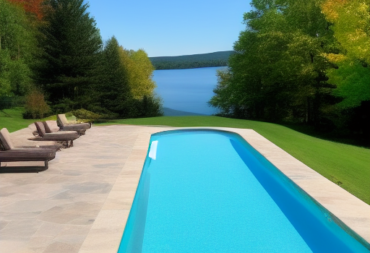
How Thick Should Concrete Be For Swim Spa?
[tm_pb_section admin_label="section" transparent_background="on" allow_player_pause="off" inner_shadow="off" parallax="off" parallax_method="off" custom_padding="258px||108px|" custom_padding_tablet="100px||50px|" custom_padding_last_edited="on|phone" padding_mobile="off" make_fullwidth="off" use_custom_width="off" width_unit="on" make_equal="off" use_custom_gutter="off" background_image="https://www.northeastdecorativeconcrete.com/wp-content/uploads/2017/11/pool-deck.jpg"][tm_pb_row admin_label="row" make_fullwidth="off" use_custom_width="off" use_grid_padding="on" width_unit="on" padding_mobile="off" allow_player_pause="off" parallax="off" parallax_method="off" make_equal="off" parallax_1="off" parallax_method_1="off" vertical_alligment_1="start" responsive_laptop_1="inherit" responsive_tablet_1="inherit" responsive_phone_1="inherit" order_laptop_1="1" order_tablet_1="1" order_phone_1="1" column_padding_mobile="on"][tm_pb_column type="4_4"][tm_pb_text admin_label="Text" text_orientation="left" use_border_color="off" border_color="#ffffff" border_style="solid"]
 [/tm_pb_text][/tm_pb_column][/tm_pb_row][/tm_pb_section][tm_pb_section admin_label="Section" fullwidth="off" specialty="off" transparent_background="on" allow_player_pause="off" inner_shadow="off" parallax="off" parallax_method="off" padding_mobile="off" make_fullwidth="off" use_custom_width="off" width_unit="on" make_equal="off" use_custom_gutter="off" background_image="https://www.northeastdecorativeconcrete.com/wp-content/uploads/2018/01/background.jpg"][tm_pb_row admin_label="Row"][tm_pb_column type="4_4"][tm_pb_text admin_label="Text" text_orientation="left" use_border_color="off" border_color="#ffffff" border_style="solid" text_font_size="18" text_text_color="#000000" saved_tabs="all"]
We service all of New Hampshire (NH) , Massachusetts (MA) , and Maine (ME) with Decorative Concrete, Stamped Concrete, Epoxy Floor Coatings, and Garage Flooring. We have a large selection of colors and patterns! Give us a call for your next concrete project. We provide Free Estimates.
How Thick Should Concrete Be For Swim Spa Platform?
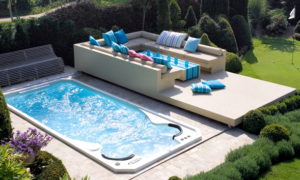
A swim spa is a great way to get in shape, but it can be dangerous if the platform is too thin. A platform that is too thin can crack and collapse, which could lead to serious injury. The American Concrete Institute recommends a platform thickness of at least 6 inches for swim spas.The slab should be reinforced with steel rebar, wire mesh, or fiber reinforcement. This will prevent cracking under the spa's stresses. A vapor barrier is also advised under the slab. It protects against moisture transmission. For freeze/thaw climates, use air entrainment admixtures. They improve concrete durability.
Proper site preparation, concrete mix design, steel placement, and curing are key to ensuring the slab adequately supports the spa over its lifetime.
The Importance of Thick Concrete
Thick concrete is important for swim spa platforms because it is strong and durable. It can support the weight of people and equipment, and it will last for many years. Swim spa platforms that are made with thin concrete may not be as strong or as durable, and they may not last as long. If you want to ensure that your swim spa platform is safe and reliable, choose a strong, thick material.
Choosing the Right Thickness for Your Swim Spa
When choosing the right thickness for your swim spa concrete pad, consider a few things. The most important factor is the weight of the swim spa. You’ll also need to consider the climate in which you live, as well as the type of soil on your property.
If you’re not sure what thickness of concrete pad to choose, it’s always best to consult with a professional. They can help you choose the right pad for your swim spa based on the weight and conditions of your property.
What Factors Influence the Thickness of Concrete?
Many factors influence the thickness of concrete. The most important of these is the mixed design. The water-cement ratio and the aggregate size both play a role in how thick the final product will be. Climate and weather conditions can also affect the thickness of concrete. Other factors can, too.
How to Ensure Proper Concrete Thickness
When pouring concrete, consider a few factors to achieve the desired results. One of the most important factors is the thickness of the concrete. If it is too thin, it will not be strong enough to support weight. If it is too thick, it will take longer to dry and will be more expensive. Here are a few tips on how to ensure proper concrete thickness:
1. Always consult with a professional before pouring concrete. They can tell you how thick the concrete needs to be to support the weight of whatever you're putting on top.
2. Use a level when creating your formwork to ensure that the surface is even. To help, reduce the amount of extra material needed to make up for unevenness.
Tips for Creating a Safe and Sturdy Swim Spa Platform When you have a swim spa, you need a platform to stand on. You don't want to just stand on the ground because it's not safe. If you're going to build your platform, here are some tips for creating a safe and sturdy one: 1. Make sure the platform is strong enough to hold up the weight of everyone who will be using it. 2. Use concrete that is rated for outdoor use so it won't crack. 3. Make sure the platform is level and stable so it doesn't wobble or shift when people are standing on it. 4. Add railing around the edge of the platform to provide safety and support. 5. If possible, attach the platform to the swim spa itself so it can't move around. FAQs About Swim Spa Platform Thickness 1. Swim spa platforms are generally around 6-8 inches thick, but they can be made thicker if needed. 2. A thicker platform is more structurally sound and can support more weight, making it a good option for swim spas that will be used by multiple people at the same time. 3. If you are considering a swim spa, be sure to ask your dealer about the platform thickness and what it can support. 4. A thicker platform may also be a better option if you plan to add a deck or patio around your swim spa. 5. Remember that while a thicker platform is more durable, it will also be heavier and require extra costs. 6. If you have any questions about swim spa platforms, be sure to ask your dealer or manufacturer for advice. In conclusion, concrete should be at least 6 inches thick for a swim spa platform to provide adequate support and safety. If you are unsure about the thickness of your concrete, it is best to consult a professional to ensure your swim spa is safe for use. Our Locations: Nashua, NH North Hampton, NH Concord, NH [/tm_pb_text][/tm_pb_column][/tm_pb_row][/tm_pb_section]
How Thick Should Stamped Concrete Be?
[tm_pb_section admin_label="section" transparent_background="on" allow_player_pause="off" inner_shadow="off" parallax="off" parallax_method="off" custom_padding="258px||108px|" custom_padding_tablet="100px||50px|" custom_padding_last_edited="on|phone" padding_mobile="off" make_fullwidth="off" use_custom_width="off" width_unit="on" make_equal="off" use_custom_gutter="off" background_image="https://www.northeastdecorativeconcrete.com/wp-content/uploads/2017/11/pool-deck.jpg"][tm_pb_row admin_label="row" make_fullwidth="off" use_custom_width="off" use_grid_padding="on" width_unit="on" padding_mobile="off" allow_player_pause="off" parallax="off" parallax_method="off" make_equal="off" parallax_1="off" parallax_method_1="off" vertical_alligment_1="start" responsive_laptop_1="inherit" responsive_tablet_1="inherit" responsive_phone_1="inherit" order_laptop_1="1" order_tablet_1="1" order_phone_1="1" column_padding_mobile="on"][tm_pb_column type="4_4"][tm_pb_text admin_label="Text" text_orientation="left" use_border_color="off" border_color="#ffffff" border_style="solid"]
 [/tm_pb_text][/tm_pb_column][/tm_pb_row][/tm_pb_section][tm_pb_section admin_label="Section" fullwidth="off" specialty="off" transparent_background="on" allow_player_pause="off" inner_shadow="off" parallax="off" parallax_method="off" padding_mobile="off" make_fullwidth="off" use_custom_width="off" width_unit="on" make_equal="off" use_custom_gutter="off" background_image="https://www.northeastdecorativeconcrete.com/wp-content/uploads/2018/01/background.jpg"][tm_pb_row admin_label="Row"][tm_pb_column type="4_4"][tm_pb_text admin_label="Text" text_orientation="left" use_border_color="off" border_color="#ffffff" border_style="solid" text_font_size="18" text_text_color="#000000" saved_tabs="all"]
We service all of New Hampshire (NH) , Massachusetts (MA) , and Maine (ME) with Decorative Concrete, Stamped Concrete, Epoxy Floor Coatings, and Garage Flooring. We have a large selection of colors and patterns! Give us a call for your next concrete project. We provide Free Estimates.
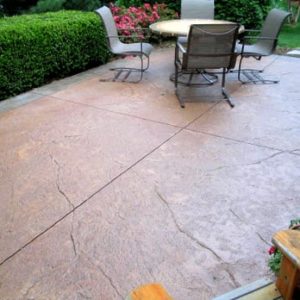
How Thick Should Stamped Concrete Be?
When it comes to choosing the thickness of stamped concrete, there are a few factors to consider. The first is the climate. In colder climates, thicker stamped concrete will help keep the surface from freezing. It will also prevent it from becoming brittle. The second consideration is the weight of traffic that will be using the concrete. A thicker stamped surface will be able to withstand more weight. It will not crack or become damaged. The last factor to consider is the overall budget.
How Thick Should Stamped Concrete Be?
Base the thickness of stamped cement on the loads that will be placed on it. The concrete should be thick enough to support the weight of people and vehicles. It should also be thick enough to support the weight of other objects.
The thickness of decorative concrete is an important consideration. It affects the finished look and how long the concrete will last. A thickness of 4 inches is generally recommended. It provides a robust surface that can handle moderate traffic. It also resists staining and fading. But, if you want a more decorative finish or plan to use your stamped concrete in a high-traffic area, you may want to consider a 6-inch thickness.
Factors That Affect the Thickness of Concrete that is Stamped
Many factors affect the thickness of decorative concrete. The size and shape of the stamp, the amount of concrete being poured, and the weather conditions are just a few of the factors. They can influence how thick the concrete should be.
The size and shape of the stamp can affect how thick the concrete needs to be. If the stamp has a lot of details, more concrete will need to be poured. This ensures all the details are covered. The amount of concrete being poured also affects the thickness. If you use more than one layer of concrete, each layer needs a certain thickness. This is to achieve the desired look.
The weather conditions also play a role in how thick the textured concrete should be.
Tips for Creating a Thick Stamping Concrete Surface
When creating a thick, colored, textured concrete surface, keep a few key things in mind. First, you’ll need to make sure that the concrete is poured at the correct thickness. For most projects, a minimum thickness of 4 inches is recommended. This will ensure that the stamping process goes smoothly. It will also make sure the finished surface is both durable and attractive.
In addition, it’s important to use high-quality stamps and tools. If you use cheaper equipment, your stamped concrete surface may not look professional. Finally, be sure to allow enough time for the concrete to dry completely. Only then, apply any sealant or coating. If you try to hurry the process, you may end up with a surface that is uneven or faded.
Benefits of Thick Stamp Concrete
Thick concrete that is stamped can offer a homeowner many benefits. One of the biggest advantages is that it is very sturdy and can withstand a lot of wear and tear. It is also very easy to clean and does not require a lot of maintenance. Thick stamp surfaces can also add value to a home by increasing its curb appeal.What Else Can You Do to Strengthen The Thickness of Stamping Concrete?
There are a few things homeowners can do to increase the thickness of concrete stamped. One is to add more concrete when the slab is initially poured. This will create a thicker surface that is less likely to crack or chip. Another option is to use a stamping overlay, which is a layer of concrete that is applied over an existing slab. The overlay can be textured or patterned to create the desired look. It will also help to strengthen the underlying surface. In some cases, it may also be necessary to seal the stamped surface. This protects it from weathering and staining.
Why Is Thickness Important for Decorative Concrete?
-Strength -Durability -Aesthetics -Versatility The thickness of stamp concrete is important because it affects the overall look and feel of the surface. A thicker stamping concrete surface will be more durable and resistant to wear and tear. Our Locations: Nashua, NH North Hampton, NH Concord, NH [/tm_pb_text][/tm_pb_column][/tm_pb_row][/tm_pb_section]
What's Cheaper Stamped Concrete Or Pavers?
[tm_pb_section admin_label="section" transparent_background="on" allow_player_pause="off" inner_shadow="off" parallax="off" parallax_method="off" custom_padding="258px||108px|" custom_padding_tablet="100px||50px|" custom_padding_last_edited="on|phone" padding_mobile="off" make_fullwidth="off" use_custom_width="off" width_unit="on" make_equal="off" use_custom_gutter="off" background_image="https://www.northeastdecorativeconcrete.com/wp-content/uploads/2017/11/pool-deck.jpg"][tm_pb_row admin_label="row" make_fullwidth="off" use_custom_width="off" use_grid_padding="on" width_unit="on" padding_mobile="off" allow_player_pause="off" parallax="off" parallax_method="off" make_equal="off" parallax_1="off" parallax_method_1="off" vertical_alligment_1="start" responsive_laptop_1="inherit" responsive_tablet_1="inherit" responsive_phone_1="inherit" order_laptop_1="1" order_tablet_1="1" order_phone_1="1" column_padding_mobile="on"][tm_pb_column type="4_4"][tm_pb_text admin_label="Text" text_orientation="left" use_border_color="off" border_color="#ffffff" border_style="solid"]
 [/tm_pb_text][/tm_pb_column][/tm_pb_row][/tm_pb_section][tm_pb_section admin_label="Section" fullwidth="off" specialty="off" transparent_background="on" allow_player_pause="off" inner_shadow="off" parallax="off" parallax_method="off" padding_mobile="off" make_fullwidth="off" use_custom_width="off" width_unit="on" make_equal="off" use_custom_gutter="off" background_image="https://www.northeastdecorativeconcrete.com/wp-content/uploads/2018/01/background.jpg"][tm_pb_row admin_label="Row"][tm_pb_column type="4_4"][tm_pb_text admin_label="Text" text_orientation="left" use_border_color="off" border_color="#ffffff" border_style="solid" text_font_size="18" text_text_color="#000000" saved_tabs="all"]
We service all of New Hampshire (NH) , Massachusetts (MA) , and Maine (ME) with Decorative Concrete, Stamped Concrete, Epoxy Floor Coatings, and Garage Flooring. We have a large selection of colors and patterns! Give us a call for your next concrete project. We provide Free Estimates.
What's Cheaper Stamped Concrete or Pavers?
There are many factors that come into play when deciding whether or not to install stamped concrete or pavers. Both have their own advantages and disadvantages, which can make it difficult to decide which is the best option for your project. In this article, we will compare and contrast stamped concrete and pavers, so that you can make an informed decision about which is the best option for you.